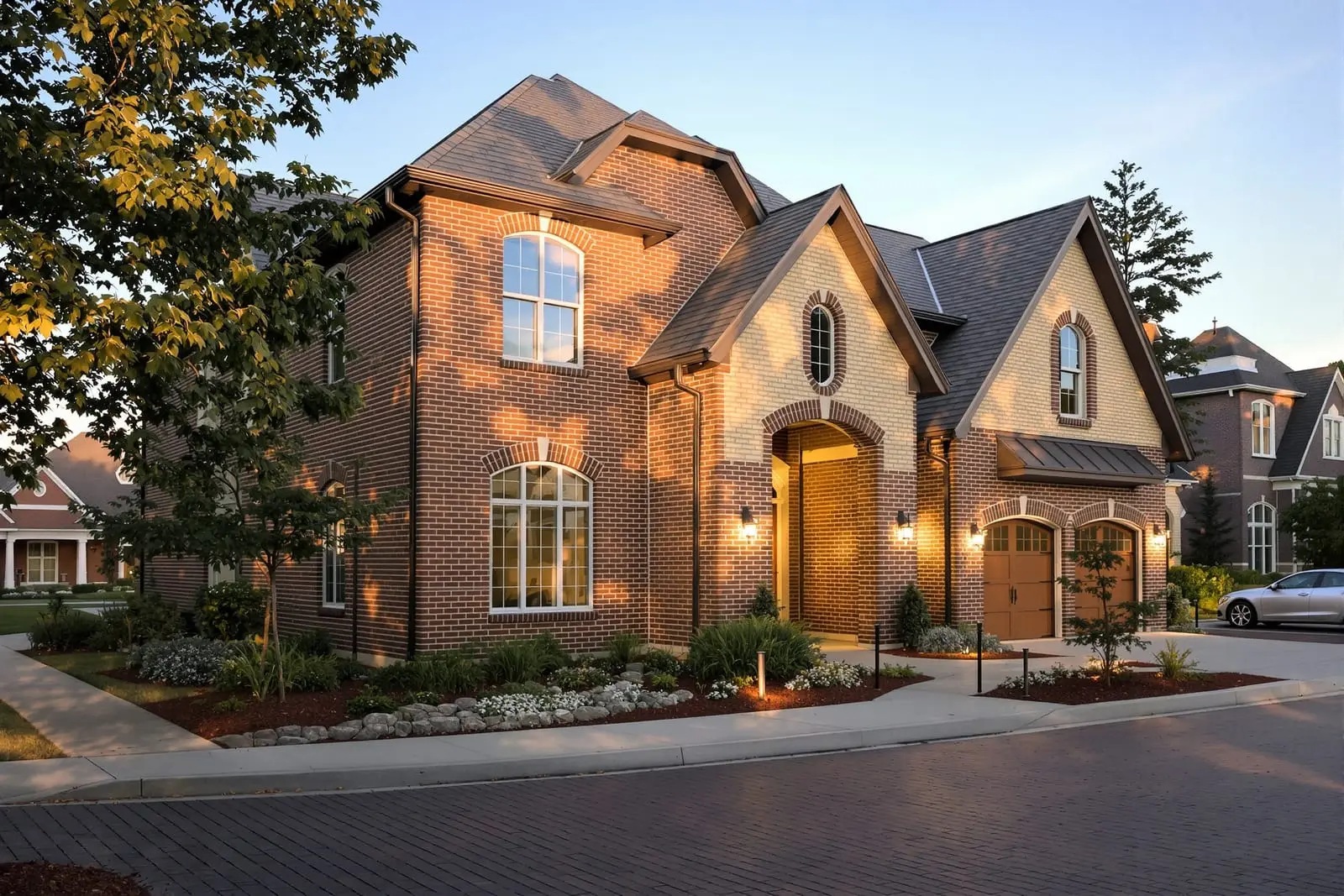
We install commercial brick veneer systems on projects throughout Oklahoma City, OK, delivering the look of full brick with modern wall assemblies. Our team coordinates with general contractors and architects for proper anchoring and moisture control. Brick veneer systems are ideal for new construction and remodels.
Primetime Masonry Oklahoma City provides professional commercial brick veneer throughout Oklahoma City, OK and the surrounding area. Our licensed, insured crew delivers safe, clean, on-time work with a free estimate before anything begins. Call (572) 212-7839 or request your free quote.
Commercial Brick Veneer Systems for Oklahoma City Businesses
If you manage a commercial property in Oklahoma City, commercial brick veneer is one of the most cost‑effective ways to get the look and durability of full brick without the structural weight and expense. Primetime Masonry Oklahoma City installs engineered veneer systems for retail centers, office buildings, schools, medical facilities, churches, and light industrial sites across the metro.
A brick veneer system is a non‑load‑bearing brick facing that ties back to your structural wall, usually steel studs with exterior sheathing or concrete tilt‑up panels. You still get a real brick exterior, but it is supported by anchors, ties, and shelf angles instead of thick masonry walls. The key is in the detailing: correct air gap, weep systems, flashing, and movement joints so Oklahoma heat, wind, and heavy storms do not damage the wall.
Our team understands how local codes, Oklahoma wind loads, and rapid freeze‑thaw cycles affect commercial veneer designs. We coordinate with your architect, engineer, or GC so the brick veneer package, from brick selection to lintel sizing, performs correctly for our climate and soil conditions.
How We Design and Install Commercial Brick Veneer
Every project with Primetime Masonry Oklahoma City starts with a site walk and review of your drawings. We confirm wall types, floor elevations, door and window locations, and any existing conditions, especially on renovations or tenant finish jobs around older OKC strip centers. We use this information to design an anchor and support layout that keeps your veneer straight, ventilated, and properly drained.
Step 1 is substrate preparation. For steel stud walls, we check framing for straightness and secure exterior sheathing. We verify weather‑resistive barriers are installed correctly around windows, doors, and penetrations, since veneer relies on that layer to keep water out. For concrete or CMU walls, we clean the surface and lay out anchor patterns so ties align with brick courses.
Step 2 is setting the support system. On multi‑story or steel frame buildings, we install steel shelf angles at structural floors or beams to carry the weight of the veneer. These must be perfectly level and properly anchored, or the entire brick elevation will show uneven lines. We coordinate thermal breaks and flashing at these locations so the support detail is both strong and protected from water.
Step 3 is brick laying and tying back. We install adjustable veneer anchors or masonry ties at the spacing required by engineering and code, then lay the brick in lifts, checking plumb and alignment constantly. We maintain a consistent cavity behind the brick to allow drainage and ventilation, and we install flashing and weep vents at base courses, lintels, and window heads so any water that enters the cavity escapes harmlessly.
Step 4 is detailing and clean‑up. We tool joints for proper compaction and water resistance, seal necessary transitions, and then perform a controlled acid or detergent wash so the brick looks clean without damaging the mortar. Finally, we do a joint review with your team on site, correcting any details before scaffolding comes down.
Material Options, Brick Styles, and System Choices
Commercial brick veneer in Oklahoma City is not one‑size‑fits‑all. The right system depends on the look you want, the building structure, and how much traffic and abuse the wall will see. Primetime Masonry Oklahoma City helps owners and contractors work through options before any brick is ordered so you are not stuck with an expensive change later.
For the brick itself, we regularly install modular, queen, and utility sizes from regional manufacturers that match the red and tan tones common in OKC office parks and retail projects. Larger utility brick can reduce labor on big flat walls, while modular units are better at tying into older existing masonry during additions. We can also mix colors and textures, such as smooth face brick on primary elevations and tumbled or flashed accents around entries and corners.
System choice matters too. Traditional anchored veneer with a full brick unit and air cavity is common on steel stud buildings and schools. Thin brick veneer panels are sometimes better for interior lobbies, elevator cores, or areas where structural ledgers are hard to add. On warehouse and flex spaces, we often install a combination of split‑face CMU at the base with brick veneer above to handle forklift or vehicle impacts while keeping the upper facade attractive.
We also look closely at mortar type, joint profile, and sealant compatibility. In our hot, often windy climate, we typically recommend Type N or Type S mortar depending on structural needs and exposure, and joint tooling that sheds water instead of trapping it. Around Oklahoma City, where dust and red clay are common, color choice for mortar can help hide minor staining over time and keep the building looking newer between washes.
Costs, Timelines, and What Affects Your Budget
Commercial brick veneer costs in Oklahoma City vary based on more than just the price per brick. When Primetime Masonry Oklahoma City prepares a proposal, we look at wall height, number of openings, complexity of corner and return details, substrate type, access for scaffolding or lifts, and how much coordination is needed with other trades.
Tall walls, such as gymnasiums or tilt‑wall warehouses along I‑40 and I‑35, require more staging, fall protection, and engineering for ties and shelf angles, which increases labor. Intricate design features, such as soldier courses, banding, pilasters, or radius walls, add time but can significantly upgrade the curb appeal of an otherwise simple facade. We spell out these items clearly so you understand where your money is going.
Scheduling also affects cost. If your project requires night or weekend work to keep a retail center open, or compressed timelines to meet a tenant move‑in date, we may need additional crew size or extended shifts. We work directly with general contractors and owners to build a realistic schedule that accounts for material lead times, particularly custom brick blends or special shapes.
We advise OKC clients to budget not just for installation, but also for proper flashing, weeps, control joints, and sealants. Cutting corners on these details can lead to leaks and repairs within a few years, which is far more expensive than doing it right the first time. During preconstruction, we are happy to sit down with your design team to adjust details that save cost without compromising the performance of the veneer system.
Common Brick Veneer Problems We Prevent in Oklahoma City
Because of our climate and building stock, certain brick veneer issues show up over and over again in Oklahoma City, especially on older shopping centers and office buildings from the 1970s through early 2000s. Primetime Masonry Oklahoma City designs and installs with these known trouble spots in mind, so your new construction or renovation does not repeat old mistakes.
One frequent problem is trapped moisture. Older veneer walls often lack proper through‑wall flashing or have blocked weep holes, which leads to efflorescence, spalling brick faces, and interior drywall damage. Our crews maintain clean cavities as we build, use compatible flashing materials, and carefully position weeps so the wall can drain and dry. We also align veneer details with the building’s waterproofing contractor to avoid gaps that let water behind the barrier.
Another issue is cracking at corners and around windows due to inadequate movement joints. Oklahoma’s temperature swings and expansive soils move buildings more than owners realize. We place vertical control joints and soft joints around frames according to engineering and manufacturer guidelines, then use sealants that can withstand UV and weather without failing early.
On retrofit work, we often encounter veneer that was tied poorly to stud or CMU walls. Ties may be corroded, spaced too far apart, or not embedded properly in mortar joints. For these cases, we can design repair scopes that include new anchors, supplemental shelf angles, and selective rebuilds. If we are doing new veneer on an older structure, we verify the condition of existing supports and coordinate with engineers before we start so the system is safe and code compliant.
By addressing these issues upfront and explaining them in plain language, we help Oklahoma City owners and facility managers make informed decisions that keep their commercial brick veneer looking sharp and functioning well for decades.
“
Professional commercial brick veneer systems, done right the first time, quality materials, honest pricing, and results that last.
Primetime Masonry Oklahoma City
Commercial Brick Veneer Systems Across Our Service Area